Are You Running on Empty — But Still Pushing Through?
Chronic stress, poor sleep, low energy, recurring illness, and the feeling that your body and mind simply aren’t coping the way they used to — these aren’t signs of weakness. They’re signs that your resilience is depleted.
The good news: resilience is not fixed. It is measurable, trainable, and — with the right approach — fully restorable.
The Resiliency Program is a clinician-designed course built on the science of allostatic load, psychoneuroimmunology, and positive psychology. It will teach you how to understand, measure, and systematically rebuild your resilience — physically, mentally, emotionally, and spiritually.
Register Now — £350 One-Off Payment Or 3 Monthly Payments of £125
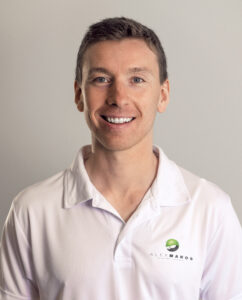
Created by Alex Manos — Functional Medicine Practitioner, MSc Personalised Nutrition, clinician, certified breathwork facilitator, and IFS-Informed Coach..
Most people are living in a quiet state of physiological overwhelm — and they don’t know it.
Modern life places relentless demands on the body and mind. Not dramatic, obvious stressors — but the daily accumulation of poor sleep, chronic low-grade pressure, processed food, disconnection from nature, and a nervous system that never fully switches off.
Over time, this accumulation takes a measurable toll. Scientists call it allostatic load — the biological cost of chronic stress. And the evidence is clear: when allostatic load goes unaddressed, the downstream consequences include cardiovascular disease, metabolic disruption, gut issues, immune dysregulation, neurological decline, mood disorders, musculoskeletal disorders like fibromyalgia, and more.
But here’s what most people are never told: the body has extraordinary built-in systems for healing, adapting, and becoming more resilient. Understanding those systems — and knowing how to work with them — changes everything.
The Resiliency Program teaches you exactly how to reverse this — using evidence-based tools across every dimension of health.
The Hidden Cost of Chronic Stress
Most people are familiar with the idea of stress. Fewer are aware of what happens when stress becomes chronic and the body can no longer adapt.
Scientists call this allostatic overload — the cumulative physiological burden that builds when life’s demands repeatedly exceed your ability to cope. When this happens, it doesn’t just feel bad. It measurably damages your health.
Chronic allostatic load has been linked to:
- Cardiovascular disease
- Type 2 diabetes
- Immune dysfunction and autoimmune conditions
- Cognitive decline and neurological disorders
- Mood disorders, anxiety, and PTSD
- Musculoskeletal conditions including fibromyalgia and chronic fatigue
- Disrupted gut function and gastrointestinal disorders
The physiology is well understood: your hypothalamic-pituitary-adrenal (HPA) axis, immune system, cardiovascular system, and gut are all directly affected by how well — or poorly — you are managing stress over time. Biomarkers including cortisol, DHEA, interleukin-6, and heart rate variability all shift measurably under conditions of chronic stress.
The Resiliency Program teaches you exactly how to reverse this — using evidence-based tools across every dimension of health.
Why This Work Matters
- As of 2018, 40% of children, 60% of adults under 65, and 90% of adults over 65 live with at least one chronic illness.
- An estimated 69–90% of the population will experience at least one traumatic event in their lifetime.
- Research consistently shows that higher resilience is one of the strongest predictors of recovery from illness and adaptation to chronic health conditions.
- Critically, resilience is not a fixed trait — it is a dynamic, modifiable process that can be developed at any age.
As the research is clear: good resilience prevents the onset of disease, facilitates and accelerates healing, and enables a productive life and sense of wellbeing — even in the presence of chronic illness.
This program gives you the tools to build it.

Understand it. Measure it. Improve It. Thrive In It.
“Good resilience aggravates and prevents the onset of disease, provides good heath, facilitates and accelerates healing, and provides productive life and a sense of well-being despite chronic illness.”
By the end of The Resiliency Program, you will:
- Understand the science of allostatic load and why chronic stress erodes your health at a cellular level
- Know how to measure your own resilience using validated questionnaires and biofeedback assessments — and track your progress over time
- Have a personalised toolkit of evidence-based interventions across physical, mental, emotional, and spiritual domains
- Understand the gut-brain-immune axis and how your microbiome, nervous system, and mitochondria all contribute to — or deplete — your resilience
- Have practical strategies drawn from cognitive behavioural coaching, mindfulness, HeartMath, breathwork, somatic therapy, and positive psychology
TESTIMONIALS

The Resiliency Program
Course Content
The Resiliency Program
We begin by building a solid scientific and clinical foundation. This module introduces:
- The Resiliency Quadrant: physical, mental, emotional, and spiritual dimensions
- Allostasis and allostatic load — and why chronic stress has a measurable physiological cost
- Hormesis and building a hormetic lifestyle
- Heart Rate Variability as an index of psychophysiological resilience
- Vulnerability and individual differences in stress response
You will evaluate your own resilience using validated questionnaires and biofeedback tools — assessments you can repeat at any point to track your progress.
“The process of adapting well in the face of adversity, trauma, tragedy, threats, or even significant sources of stress.”
This module is where the science of the body meets practical lifestyle medicine. We explore how nutrition, light exposure, exercise, intermittent fasting, cold and heat therapy, and environmental factors each influence your physiological resilience — and how to use them strategically.
Sessions include:
- Building gut microbiome resilience
- Building immune resilience
- Building brain resilience
- Building mitochondrial resilience
- Exercise and resilience
- Heart Rate Variability: your window into psychophysiological resilience
- Resilience to environmental toxins
- Building a resilient nervous system
- Quantum health: light, water, and magnetism
- Fasting and resilience
“The ability to set goals and consistently achieve them, seeing challenges as opportunities rather than threats.”
Drawing on cognitive behavioural coaching, positive psychology, and mindfulness, this module equips you with practical tools to strengthen your psychological resilience. We explore values alignment, mastery, optimism, and psychological flexibility.
Sessions include:
- Building psychological resilience
- Positive psychology, optimism, and cognitive behavioural coaching
- Mindfulness training: intention, attention, attitude
- Building resilience through communication
“The ability to generate positive emotion and the ability to recover from negative emotion.”
Emotional dysregulation is one of the most underappreciated drivers of chronic illness. This module draws on research from the Institute of HeartMath, Brené Brown’s Shame Resilience Theory, and the Broaden-and-Build theory of positive emotions. We also explore the work of Gabor Maté, Bessel van der Kolk, and Peter Levine on emotional suppression and somatic health.
Sessions include:
- Introduction to emotional resilience: what it is and how to improve it
- Gratitude and positive emotional states with HeartMath
- Emotional suppression, alexithymia, and chronic health conditions
- Self-esteem, coping strategies, and emotional expression
- Family resilience: why it matters and how to build it
“Concerned with the internal life of mind and spirit and its association with being in the world. It implies a capability for a deep understanding of existential questions and insight into multiple levels of consciousness. In addition to self- awareness, it implies awareness of our relationship to the transcendent, to each other, to the earth and all beings. It enables one to maintain both internal and external peace and display love regardless of the circumstances whether stress or acute inconsistency. It could, therefore, help in conflict management and calm co-existence in the society.”
Spiritual resilience is about connection — to meaning, to others, to something larger than yourself. Research shows that individuals with a strong sense of purpose and internal coherence demonstrate greater stress tolerance, faster recovery from illness, and enhanced psychological wellbeing.
Sessions include:
- Journalling and creativity for resilience
- Relationship resilience
- Family resilience
- Breathwork for resilience
- Psychedelics and resilience
Confirmed Guest Speakers
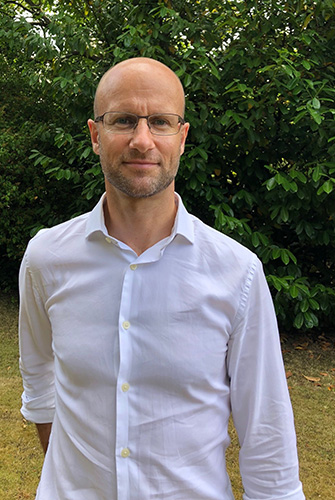
Gavin Andrews
Gavin Andrews — Emotional Resilience Managing Director of HeartMath UK. Gavin will be discussing emotional resilience, the HeartMath system, and the Institute’s extensive research on heart-brain coherence.
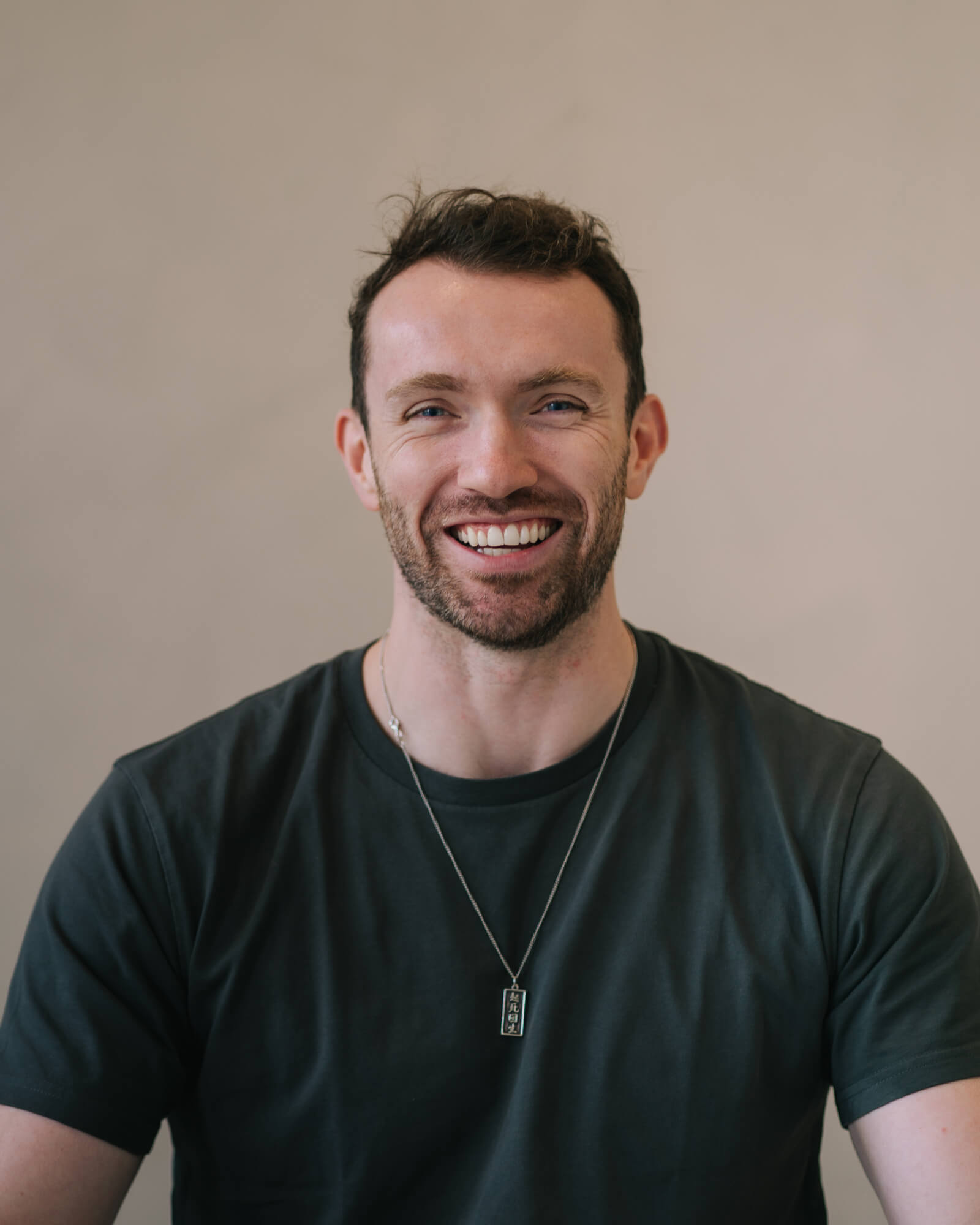
Jamie Clements
Jamie will be discussing the benefit of having a breathwork practice for building resilience. Jamie is co-founder of Breathwork Mastery.
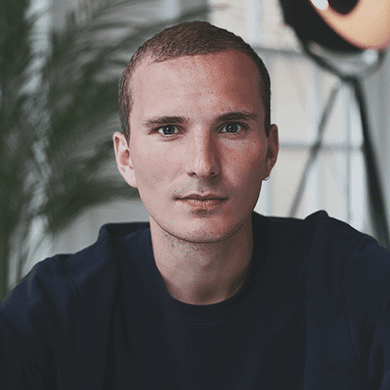
James Dowler
James will be discussing the benefit of having a breathwork practice for building resilience.
Frequently Asked Questions
Can I join The Resiliency Program any time?
Yes the program is a self-paced course so you can watch it at your own pace.
Are the sessions recorded?
Yes, all the content is recorded, and so you can watch the videos whenever you like.
How much time will this take up?
I recommend allowing one to one and a half hours per week for the program. Not every week will be relevant for your needs, and so there may be weeks you want to miss too.
Is this suitable if I already have a chronic health condition?
Yes — in fact, the program was designed with this in mind. Research consistently shows that resilience is one of the most important modifiable factors in both the prevention and management of chronic illness.
What makes this different from other wellbeing programs?
The Resiliency Program is clinician-designed and grounded in peer-reviewed research. It goes well beyond generic “stress management” advice to address the measurable physiological, psychological, emotional, and spiritual dimensions of resilience — including how to assess your baseline and track your improvement over time.
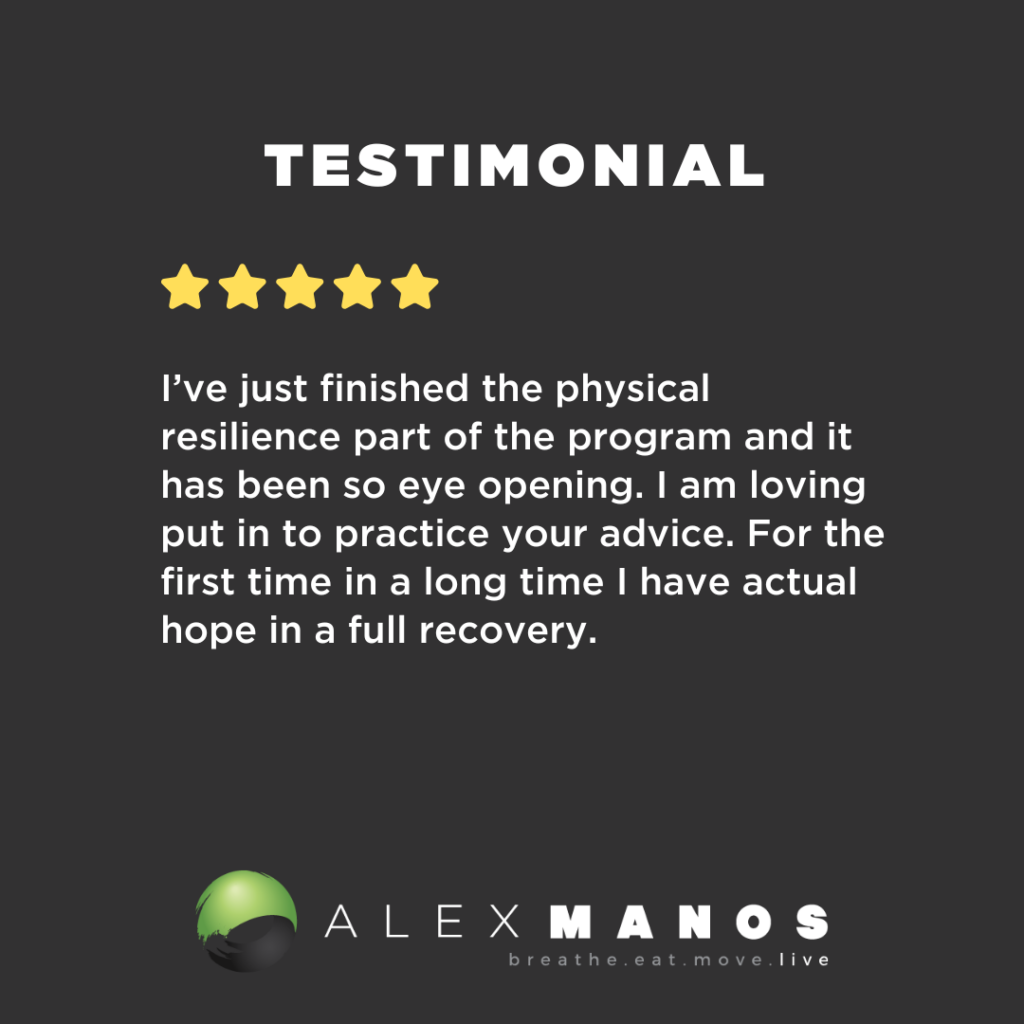
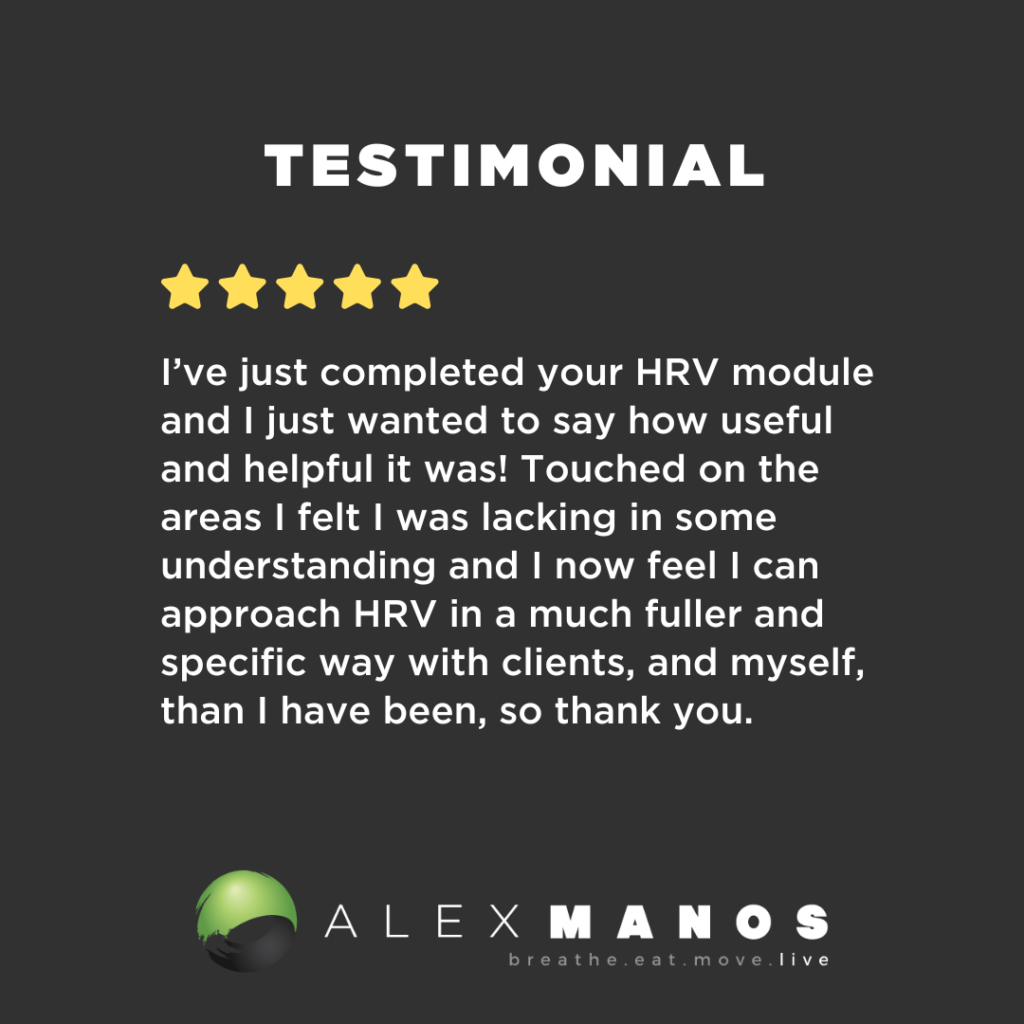
Testimonial
“I’m going to get my point across straight away. I can honestly Alex Manos is a very inspirational, knowledgeable, understanding and very humble individual, this both reflects on his personality and his teachings as a coach.I wouldn’t remotely hesitate to advise him to my friends, family, co-workers or clients as I have an awful lot of trust in his teaching and confidence in his ability. To sum up Alex is a natural Role Model type individual that has his best interests in YOUR health, the goals YOU have set and the way YOU are feeling and functioning.”
Ricky G
About Alex Manos: Founder of The Resiliency Program
Alex Manos is a Functional Medicine Practitioner, clinician-researcher, and educator with a particular focus on the gut-brain axis, the microbiome, and the science of chronic disease.
His qualifications include:
- Certified Functional Medicine Practitioner (Institute for Functional Medicine)
- MSc in Personalised Nutrition
- Certified breathwork facilitator
- Certified psychedelic guide
- Personal trainer and performance enhancement specialist
- Lecturer and mentor to other health professionals
- Published researcher in the fields of gut health, SIBO, and the mind-body connection
Alex created The Resiliency Program because the science is clear: you cannot sustainably address chronic health conditions without also addressing the physiological and psychological cost of chronic stress. This program brings together the best evidence from functional medicine, neuroscience, positive psychology, and somatic therapy into one integrated framework.